
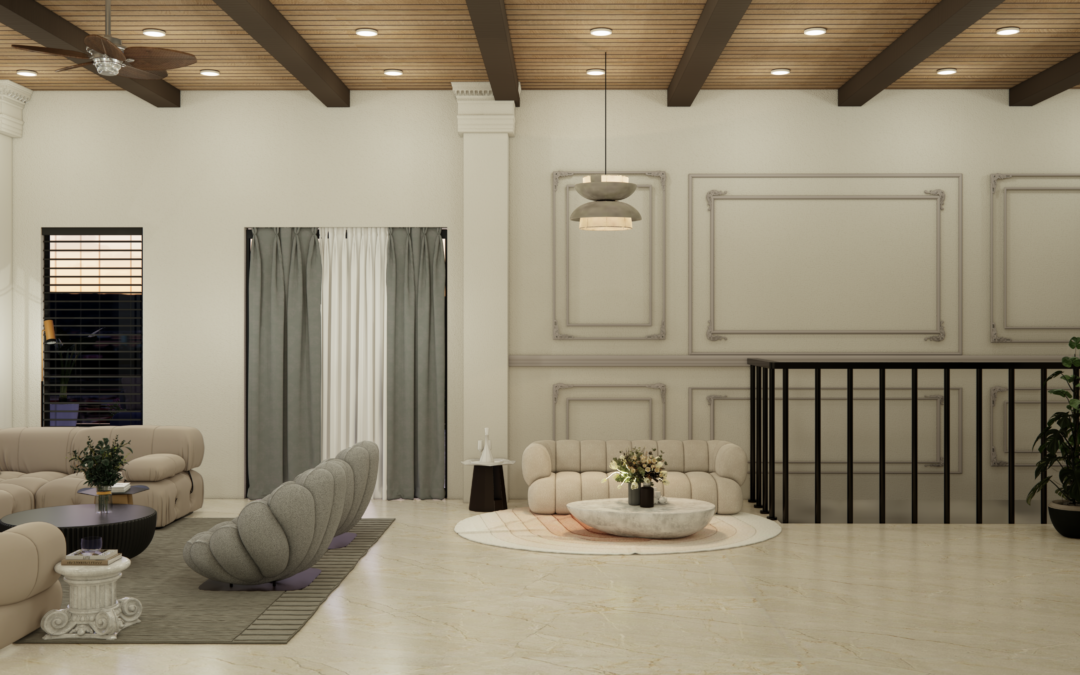
Modern interior design has become one of the most sought-after styles for homeowners looking to create spaces that are elegant, practical, and visually appealing. Characterized by clean lines, open layouts, neutral color palettes, and a focus on functionality, modern interiors offer the perfect balance between comfort and sophistication.
Whether you are renovating your home, designing a new apartment, or updating a single room, understanding the principles of modern interior design can help you create a space that reflects your lifestyle while maintaining a timeless aesthetic.
What Is Modern Interior Design?
Modern interior design originated in the early 20th century and continues to evolve with contemporary trends. Unlike traditional design styles that emphasize ornate details and decorative elements, modern design focuses on simplicity, functionality, and uncluttered spaces.
The core philosophy behind modern interiors is that every element should serve a purpose while contributing to the overall visual harmony of the space. Furniture, lighting, colors, and décor work together to create an environment that feels open, welcoming, and efficient.
Key Characteristics of Modern Interior Design
1. Clean and Simple Lines
One of the defining features of modern interior design is the use of straight lines and geometric shapes. Furniture often features sleek silhouettes without excessive ornamentation. This clean aesthetic helps create a sense of order and spaciousness.
2. Neutral Color Palettes
Modern homes typically use neutral colors such as white, beige, gray, and soft earth tones. These shades create a calm and sophisticated atmosphere while allowing furniture and accent pieces to stand out. Strategic use of bold colors through artwork, cushions, or statement furniture can add personality without overwhelming the space.
3. Open Floor Plans
Open-concept living has become a hallmark of modern interior design. By removing unnecessary walls and barriers, homeowners can create larger, more connected spaces that improve natural light flow and encourage social interaction.
4. Functional Furniture
Functionality is a priority in modern interiors. Furniture pieces are selected not only for their appearance but also for their practicality. Multi-purpose furniture such as storage beds, modular sofas, and extendable dining tables helps maximize space while maintaining a clean look.
5. Natural Light
Large windows, glass doors, and skylights play a significant role in modern home design. Natural light makes spaces feel brighter, larger, and more inviting while reducing the need for artificial lighting during the day.
Popular Modern Interior Design Trends
Sustainable Design
Sustainability has become a major focus in interior design. Homeowners are increasingly choosing eco-friendly materials such as reclaimed wood, bamboo, recycled metal, and natural stone. Sustainable design not only benefits the environment but also adds authenticity and warmth to modern interiors.
Smart Home Integration
Technology is transforming the way we design and use our homes. Smart lighting systems, automated curtains, voice-controlled devices, and energy-efficient appliances are becoming standard features in modern interiors. These innovations enhance convenience while maintaining a sleek and uncluttered appearance.
Biophilic Design
Biophilic design emphasizes the connection between people and nature. Indoor plants, natural materials, water features, and organic textures are used to create healthier and more relaxing living environments. This trend has gained popularity as homeowners seek to improve well-being and reduce stress.
Minimalist Living
Minimalism continues to influence modern interior design. The concept focuses on keeping only essential items while eliminating unnecessary clutter. A minimalist home feels more organized, peaceful, and visually appealing.
Designing a Modern Living Room
The living room is often the centerpiece of a home. To achieve a modern look, start with a neutral base and invest in comfortable yet stylish furniture. Choose a sofa with clean lines, incorporate layered lighting, and use area rugs to define seating zones.
Statement pieces such as abstract artwork, sculptural lighting fixtures, or a contemporary coffee table can serve as focal points. Avoid overcrowding the room with excessive decorations, as simplicity is key to maintaining a modern aesthetic.
Modern Kitchen Design Ideas
Modern kitchens combine beauty with efficiency. Popular features include handleless cabinets, quartz countertops, integrated appliances, and sleek backsplashes. Open shelving can add visual interest while keeping frequently used items accessible.
Lighting is another essential element. Pendant lights over kitchen islands and under-cabinet LED lighting enhance both functionality and ambiance.
Creating a Modern Bedroom
A modern bedroom should feel relaxing and clutter-free. Opt for a neutral color scheme, quality bedding, and furniture with clean silhouettes. Soft textures such as linen, cotton, and wool add warmth without compromising the minimalist aesthetic.
Consider incorporating built-in storage solutions to maintain organization and create a serene atmosphere conducive to rest and relaxation.
Why Hire Professional Interior Designers?
While DIY projects can be rewarding, professional interior designers bring expertise, creativity, and technical knowledge to every project. They can help optimize layouts, select materials, manage budgets, and ensure that every design element works cohesively.
Professional designers also stay updated with the latest trends, helping homeowners achieve a sophisticated and personalized result that enhances both comfort and property value.
Conclusion
Modern interior design is more than just a trend—it is a lifestyle approach that prioritizes functionality, simplicity, and timeless beauty. By incorporating clean lines, neutral colors, smart technology, and sustainable materials, homeowners can create spaces that are both stylish and practical.
Whether you’re updating a single room or designing an entire home, modern interior design offers endless possibilities for creating environments that reflect your personality while meeting the demands of contemporary living. With thoughtful planning and the right design choices, you can transform any space into a modern masterpiece that remains elegant for years to come.