
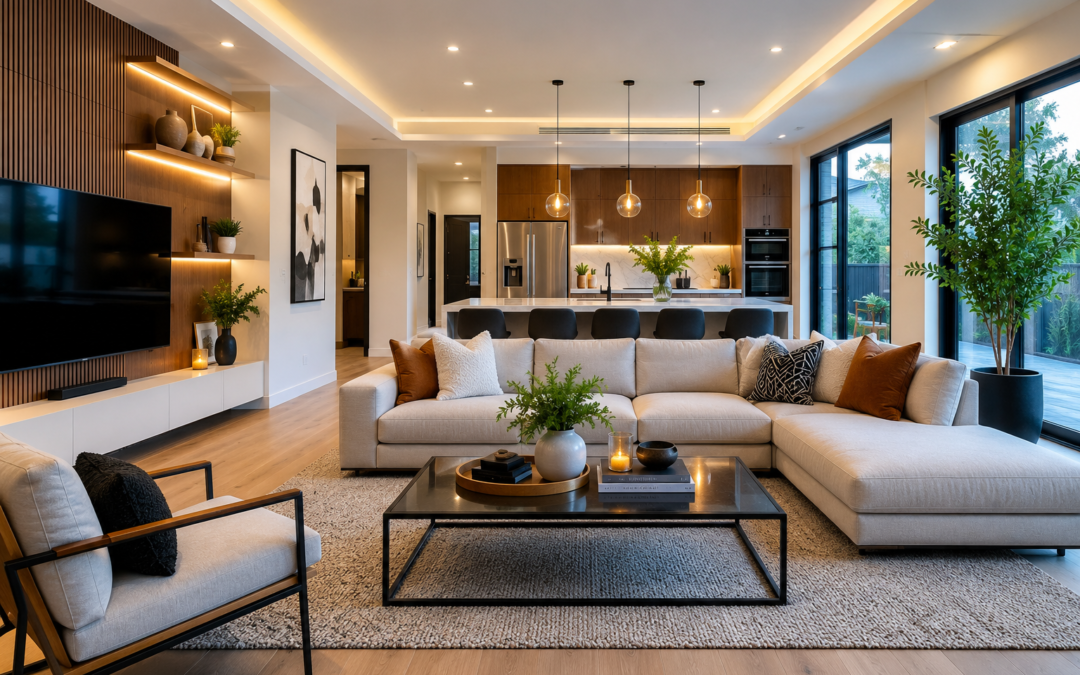
Choosing the right color palette is one of the most exciting yet challenging parts of designing your home. Colors influence mood, create visual harmony, and define the personality of every room. While paint samples may look appealing individually, combining them into a cohesive design requires planning and expertise. This is where working closely with your interior designer makes all the difference.
A professional interior designer doesn’t simply recommend trendy colors—they help create a balanced environment that reflects your lifestyle, complements your furniture, and enhances your home’s natural lighting. Here’s how you can confidently choose the perfect color scheme together.
Start with Your Lifestyle, Not Trends
Many homeowners begin by browsing Pinterest or Instagram for inspiration. While these platforms offer countless beautiful ideas, your home should reflect your daily life rather than temporary trends.
Discuss with your interior designer how you use each room.
Ask yourself:
- Do you want your bedroom to feel calm and relaxing?
- Should your living room feel warm and inviting for guests?
- Does your home office need to improve focus and productivity?
- Are there children or pets that influence practical color choices?
When your designer understands your routine, they can recommend colors that improve both aesthetics and functionality.
Understand the Psychology of Colors
Every color creates a different emotional response. Interior designers carefully consider color psychology before finalizing a palette.
Here are some common examples:
- Blue promotes calmness and relaxation.
- Green brings freshness and a connection with nature.
- White creates a clean, spacious appearance.
- Beige and cream offer warmth and timeless elegance.
- Grey delivers sophistication and modern appeal.
- Yellow adds optimism and energy.
- Terracotta and earthy tones create warmth and comfort.
Rather than choosing a favorite color for every room, your designer will balance these emotions throughout the home.
Consider Natural and Artificial Lighting
Lighting dramatically changes how colors appear.
A shade that looks soft in the showroom may appear much darker at home, depending on sunlight and room orientation.
Your interior designer will evaluate:
- Direction of natural sunlight
- Window sizes
- Artificial lighting temperature
- Shadow areas
- Ceiling height
Rooms facing north generally receive cooler light, while south-facing spaces receive warmer sunlight. Selecting colors without considering lighting often leads to disappointment after painting.
Build Around Existing Furniture
Replacing every piece of furniture isn’t always practical.
Instead, let your existing elements guide your color decisions.
Your designer will consider:
- Sofa upholstery
- Flooring
- Curtains
- Wooden finishes
- Kitchen cabinets
- Rugs
- Artwork
- Decorative accessories
This approach ensures your new wall colors complement what you already own rather than creating visual conflicts.
Choose a Primary Color Palette
Instead of selecting random colors for each room, create one consistent palette for the entire house.
A balanced home usually includes:
- One primary neutral color
- One or two secondary colors
- Accent shades for personality
This strategy creates smooth transitions between rooms while allowing each space to have its own identity.
Consistency makes even smaller homes feel larger and more luxurious.
Use the 60-30-10 Rule
Professional designers often follow the famous 60-30-10 rule.
It works like this:
- 60% dominant color (walls)
- 30% secondary color (furniture and curtains)
- 10% accent color (decor, cushions, artwork, accessories)
This ratio creates visual balance without overwhelming the space.
Whether your style is modern, minimalist, Scandinavian, or luxury, this principle works remarkably well.
Think Beyond Wall Paint
Your home’s color scheme isn’t limited to painted walls.
Interior designers also coordinate colors through:
- Furniture
- Upholstery
- Carpets
- Decorative lighting
- Wooden textures
- Metal finishes
- Kitchen laminates
- Wallpapers
- Ceiling details
- Soft furnishings
These layers create depth and sophistication that simple paint alone cannot achieve.
Sample Before Making Final Decisions
One of the biggest mistakes homeowners make is choosing colors directly from tiny paint cards.
Always test samples first.
Your interior designer may recommend:
- Large paint swatches
- Peel-and-stick color samples
- Digital 3D visualizations
- Mood boards
- Material combinations
Observe the samples during morning, afternoon, and evening lighting before making the final choice.
This small step can save both money and frustration.
Balance Trends with Timeless Design
Bold colors can look stunning today but may feel outdated within a few years.
Instead of filling every room with trendy shades, use timeless neutrals as your foundation and introduce fashionable colors through accessories such as:
- Cushions
- Throws
- Artwork
- Decorative objects
- Rugs
- Lamps
- Plants
These elements are easier and more affordable to replace as styles evolve.
Trust Professional Expertise
While personal preferences matter, experienced interior designers understand color harmony, spatial balance, lighting behavior, and material coordination.
Their recommendations are based on years of practical experience rather than guesswork.
A good designer will listen to your ideas, explain why certain combinations work better than others, and guide you toward choices you’ll continue to love for years.
The goal isn’t to create a showroom—it’s to create a home that feels comfortable, elegant, and uniquely yours.
Final Thoughts
Choosing the perfect color scheme is much more than selecting attractive paint shades. It’s about creating harmony, enhancing natural light, reflecting your personality, and ensuring every room flows beautifully into the next.
Working with an experienced interior designer simplifies the process and helps avoid costly mistakes. From understanding color psychology and lighting to coordinating furniture and finishes, professional guidance ensures every design decision contributes to a cohesive and welcoming home.
Whether you’re renovating a single room or designing an entire house, investing time in selecting the right color palette will reward you with a space that feels stylish, balanced, and timeless for years to come.