
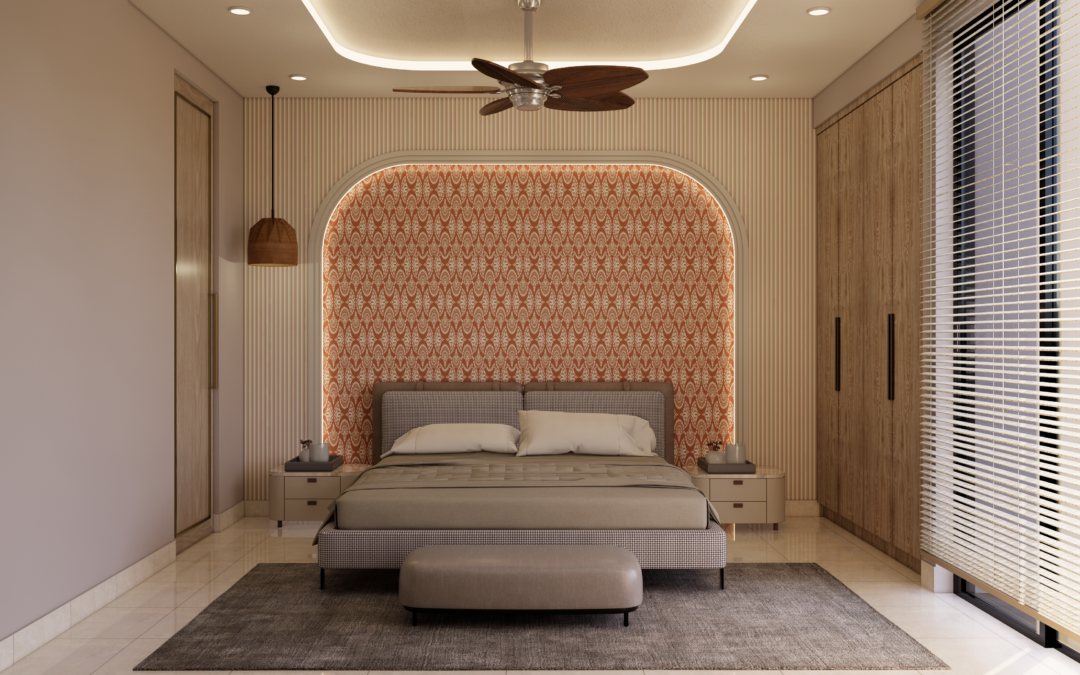
Designing your dream home or renovating an existing space is an exciting journey. However, the success of your project depends largely on choosing the right interior designer. A professional designer not only enhances the aesthetics of your space but also ensures functionality, efficient planning, and cost-effective execution. If you’re wondering how to hire the right interior designer for your project, this guide will help you make an informed decision.
1. Define Your Project Requirements
Before you begin searching for an interior designer, understand exactly what you need.
Ask yourself:
- Is it a complete home renovation?
- Are you designing a new apartment?
- Do you only need a modular kitchen?
- Is it a commercial office or retail space?
Having clear goals helps you shortlist designers who specialize in your type of project.
2. Set a Realistic Budget
Budget plays a significant role in selecting the right designer. Interior designers offer different pricing models, including fixed fees, percentage-based charges, or hourly consultations.
Apart from the design fee, remember to allocate a budget for:
- Furniture
- Materials
- Lighting
- Electrical work
- Civil modifications
- Accessories
- Contingency expenses
Being transparent about your budget helps designers recommend practical solutions without compromising quality.
3. Review Their Portfolio Carefully
A designer’s portfolio reflects their creativity, experience, and design style.
Look for projects that are similar to yours and evaluate:
- Design aesthetics
- Space utilization
- Material selection
- Color combinations
- Attention to detail
- Before-and-after transformations
Don’t just focus on beautiful images—consider whether the designs are functional and suitable for real-life living.
4. Check Experience and Expertise
Experience often translates into smoother project execution. Designers with several completed projects are more likely to anticipate challenges and solve problems efficiently.
Consider whether they specialize in:
- Residential interiors
- Commercial interiors
- Luxury homes
- Modular kitchens
- Office spaces
- Space-saving solutions
Choosing a specialist increases the chances of achieving your desired outcome.
5. Read Client Reviews and Testimonials
Online reviews provide valuable insights into a designer’s professionalism and customer satisfaction.
Pay attention to comments about:
- Communication
- Project management
- Timely completion
- Budget management
- Quality of workmanship
- Post-project support
Consistently positive reviews are usually a good indicator of reliability.
6. Understand Their Design Process
Every interior designer follows a different workflow. During your consultation, ask them to explain each stage of the project.
A professional process generally includes:
- Initial consultation
- Site visit
- Concept development
- 2D layouts
- 3D visualizations
- Material selection
- Budget estimation
- Project execution
- Final handover
Understanding the process helps set realistic expectations from the beginning.
7. Evaluate Communication Skills
Interior design projects require constant collaboration. Your designer should be someone who listens carefully, understands your lifestyle, and communicates ideas clearly.
A good designer will:
- Listen more than they speak
- Explain design choices
- Offer practical alternatives
- Respond promptly to questions
- Keep you updated throughout the project
Strong communication minimizes misunderstandings and project delays.
8. Discuss Timelines
Delays can increase costs and create unnecessary stress.
Before signing a contract, ask:
- When will the project start?
- What is the expected completion date?
- Are there milestone deadlines?
- How will delays be handled?
A detailed project timeline helps everyone stay accountable.
9. Verify Material Quality and Vendor Network
Experienced designers often have trusted suppliers and contractors, which can help you receive better pricing and consistent quality.
Ask about:
- Material brands
- Warranty
- Hardware quality
- Furniture manufacturers
- Lighting suppliers
- Modular kitchen partners
Premium materials may have a higher initial cost but often provide better durability and long-term value.
10. Ensure Everything Is Documented
Never rely on verbal agreements.
Your contract should clearly mention:
- Scope of work
- Design fees
- Payment schedule
- Material specifications
- Project timeline
- Revision policy
- Warranty details
- Terms and conditions
Proper documentation protects both you and the designer throughout the project.
Common Mistakes to Avoid
Many homeowners make avoidable mistakes when hiring an interior designer.
Avoid these common pitfalls:
- Choosing solely based on the lowest price
- Ignoring reviews and references
- Not checking previous work
- Having unrealistic expectations
- Frequently changing design decisions
- Skipping written contracts
- Failing to discuss timelines
Making informed decisions early can save both time and money.
Questions to Ask Before Hiring an Interior Designer
During your first meeting, consider asking:
- How many similar projects have you completed?
- Can I see your recent work?
- How do you handle budget changes?
- Will I receive 3D design previews?
- Who supervises the execution?
- How often will I receive project updates?
- What happens if the project is delayed?
- Do you offer post-completion support?
These questions help you evaluate professionalism and compatibility.
Final Thoughts
Knowing how to hire the right interior designer for your project is the first step toward creating a beautiful, functional, and comfortable space. The ideal designer should understand your vision, respect your budget, communicate effectively, and deliver quality work within the agreed timeline.
Take the time to research portfolios, compare services, read client reviews, and ask detailed questions before making your final decision. A well-qualified interior designer doesn’t just decorate your home—they transform your ideas into a space that reflects your personality and enhances your everyday life. Invest wisely, choose carefully, and you’ll enjoy a home or workspace that remains stylish, practical, and valuable for years to come.